The Future of E-Commerce: Trends and Innovations Shaping the Online Retail Landscape in 2026
Quick Summary
E-commerce in 2026 is driven by seamless omnichannel experiences, where customers expect to shop effortlessly across online, mobile, social, and in-store touchpoints.
Emerging technologies like AR, VR, mobile, and voice commerce are transforming how people discover and buy products, making convenience and experience key to conversions.
Sustainability and innovation are becoming major competitive advantages, with businesses that adapt to consumer expectations and new tech best positioned for long-term growth.
Table of Contents
E-commerce has become an integral part of the retail industry, revolutionising the way consumers shop and businesses operate. As technology continues to advance and consumer behaviours evolve, staying ahead of the curve is essential for businesses looking to thrive in the competitive online marketplace.
In this comprehensive guide, we'll explore the future of e-commerce and delve into the trends and innovations that are reshaping the online retail landscape. From emerging technologies to shifting consumer preferences, we'll uncover the key factors driving change and discuss how businesses can adapt and capitalise on new opportunities.
Whether you're a seasoned e-commerce entrepreneur or just starting in the world of online retail, understanding the latest trends and innovations is crucial for staying competitive and driving growth in the digital age. So let's dive in and discover what the future holds for e-commerce!
1. Rise of Omnichannel Retailing
With the line between online and offline shopping becoming increasingly blurred, omnichannel retailing has emerged as a dominant trend in e-commerce. Consumers now expect a seamless shopping experience across multiple channels, including websites, mobile apps, social media platforms, and brick-and-mortar stores. Businesses that successfully integrate these channels and offer a unified shopping experience stand to gain a competitive edge in the market.
2. Augmented Reality (AR) and Virtual Reality (VR)
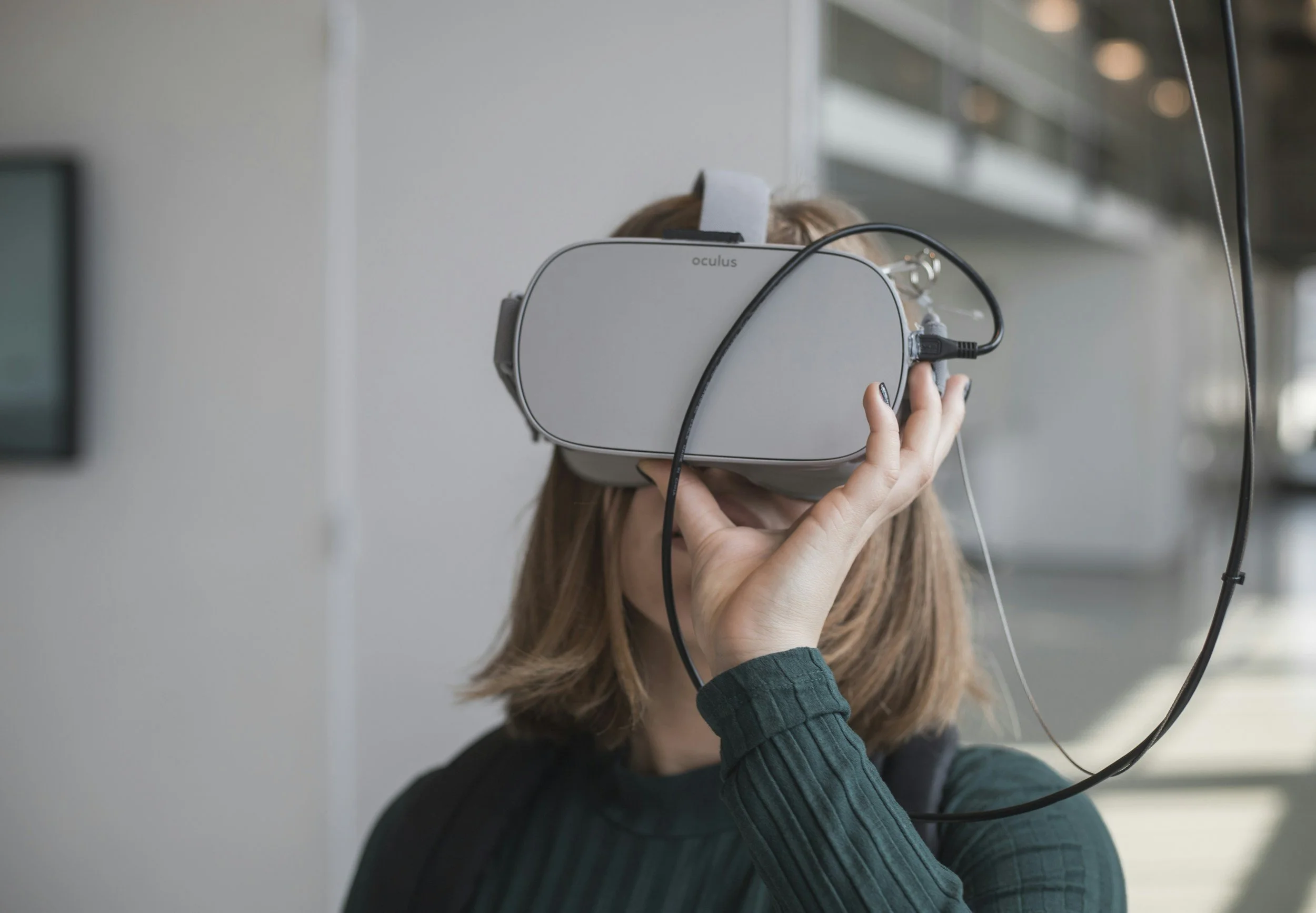
Augmented reality (AR) and virtual reality (VR) technologies are revolutionising the way consumers interact with products online. From virtual try-on experiences for clothing and accessories to interactive product demonstrations for home goods and furniture, AR and VR are enhancing the online shopping experience and reducing barriers to purchase. As these technologies become more accessible and affordable, expect to see widespread adoption among e-commerce retailers.
3. Growth of Mobile Commerce
With the proliferation of smartphones and mobile devices, mobile commerce (m-commerce) has experienced explosive growth in recent years. Today, a significant portion of online shopping occurs on mobile devices, making mobile optimisation essential for e-commerce success. As mobile technology continues to advance and consumers become increasingly reliant on their smartphones for shopping, businesses must prioritise mobile-friendly experiences to capture this growing market segment.

4. Expansion of Voice Commerce
The rise of voice-activated smart speakers and virtual assistants has ushered in a new era of voice commerce, enabling consumers to make purchases using voice commands. As voice recognition technology improves and voice-activated devices become more ubiquitous, expect to see a surge in voice-driven shopping experiences. E-commerce retailers that optimise their platforms for voice search and voice-activated purchasing will be well-positioned to capitalise on this emerging trend.
5. Focus on Sustainability and Ethical Practices
In an age of increasing environmental awareness and social consciousness, consumers are placing greater importance on sustainability and ethical practices when making purchasing decisions. E-commerce retailers that prioritise sustainability, eco-friendly products, and ethical sourcing are resonating with conscious consumers and building loyal customer bases. Going forward, expect sustainability to play a prominent role in shaping the future of e-commerce.
As e-commerce continues to evolve, staying ahead of the curve is essential for businesses looking to thrive in the digital marketplace. By embracing emerging trends and innovations, e-commerce retailers can enhance the shopping experience, drive sales, and build lasting relationships with customers. The future of e-commerce is bright, and businesses that adapt and innovate will be well-positioned for success in the years to come.
Are you an e-commerce business ready to grow? If you’re interested in taking marketing seriously to grow your business, let’s chat!